2 hr
Dark Sky UTV Adventure with Stargazing
- Entry ticket
- Mobile voucher
- Valid same day
- Free cancellation
Zion National Park Stargazing — Night Sky Tours & Observatory Access
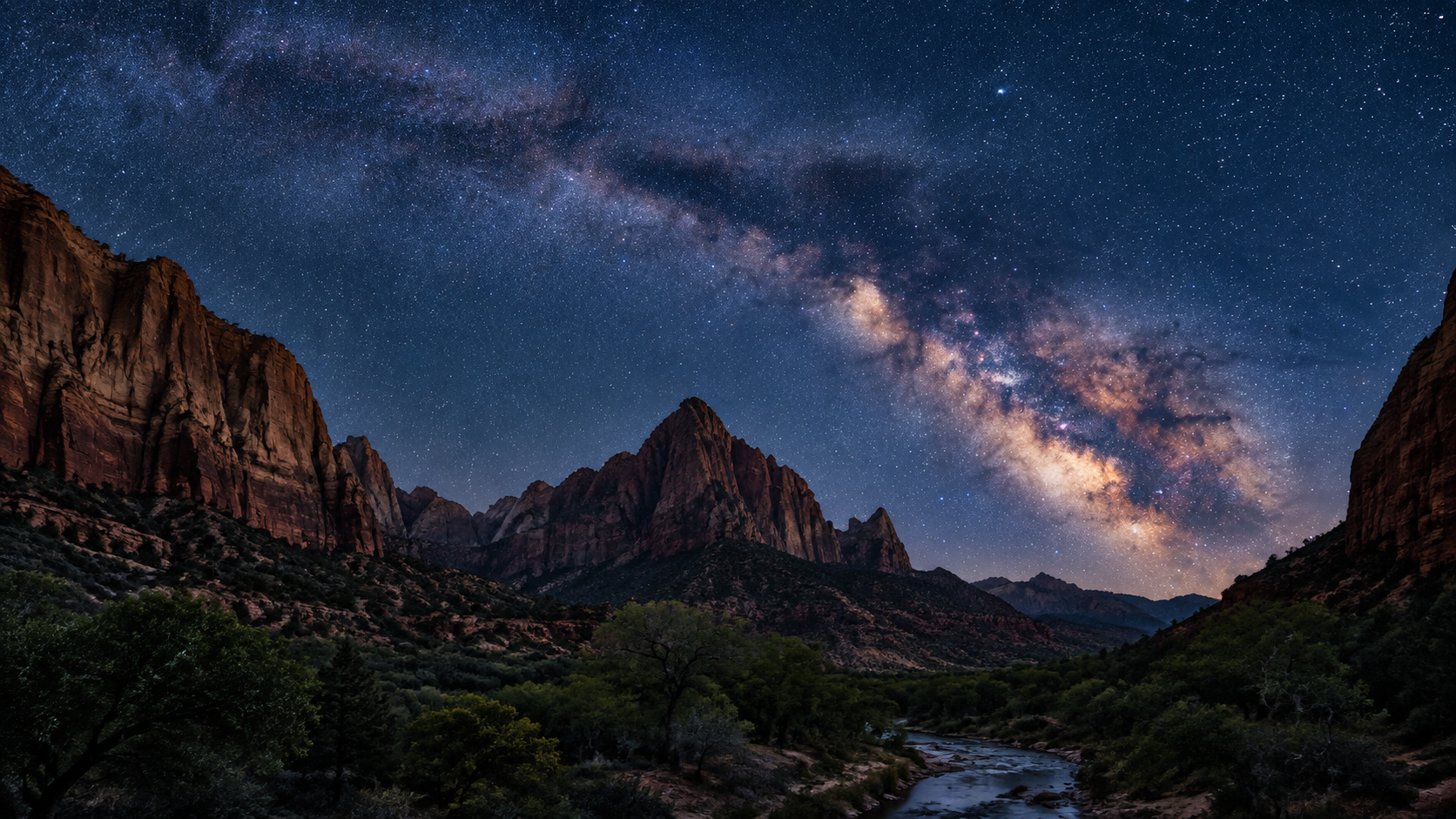
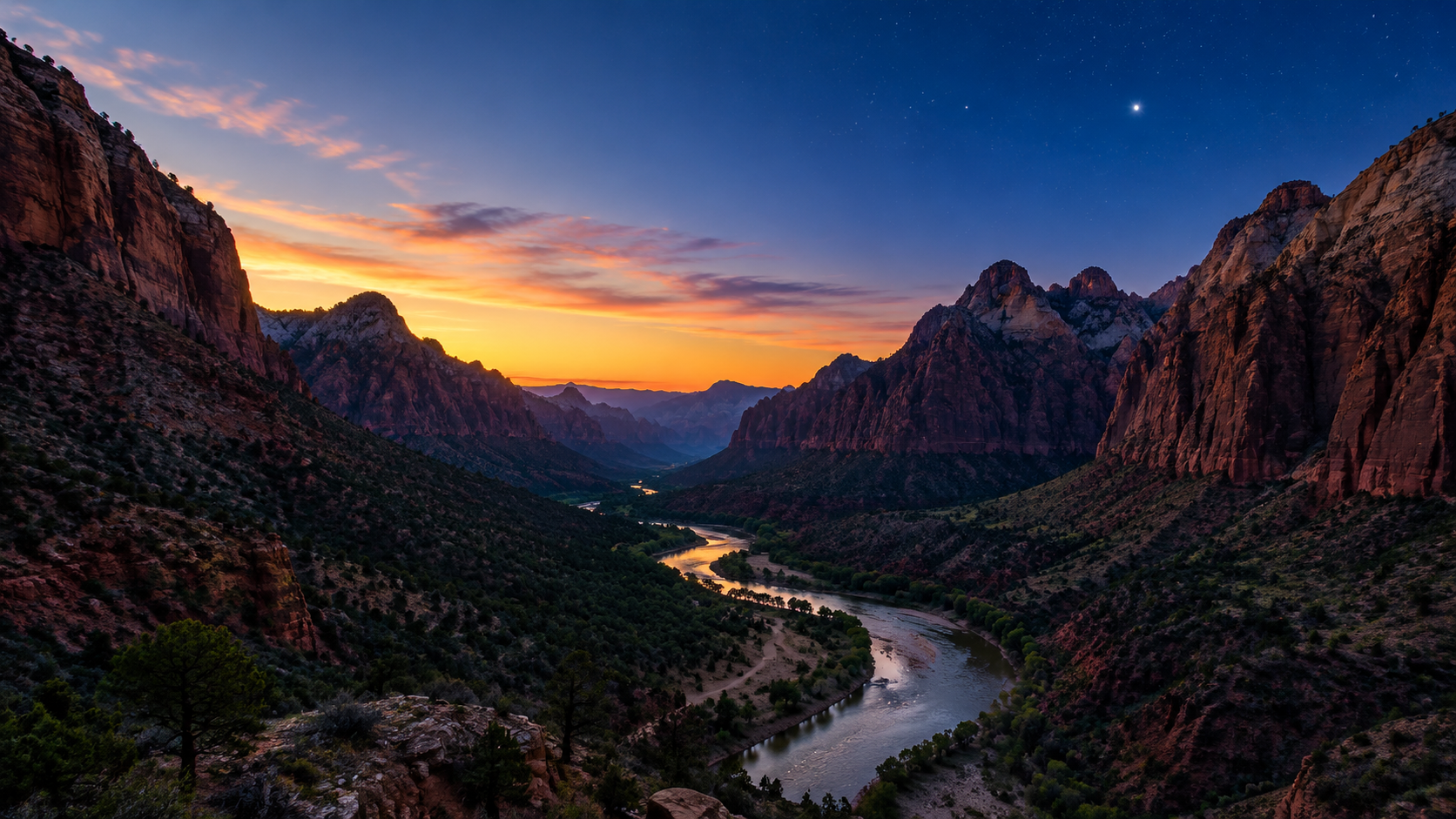
Watch the Milky Way arc over crimson canyon walls, where darkness returns the stars.
Compare fares, pick the fit — all bookings are mobile-voucher and eligible for free cancellation where shown.
2 hr
1 hr
2 hr
| Experience | Duration | Rating | Guide | Small group | Free cancel. | Price | |
|---|---|---|---|---|---|---|---|
|
Standard Entry
Most popular
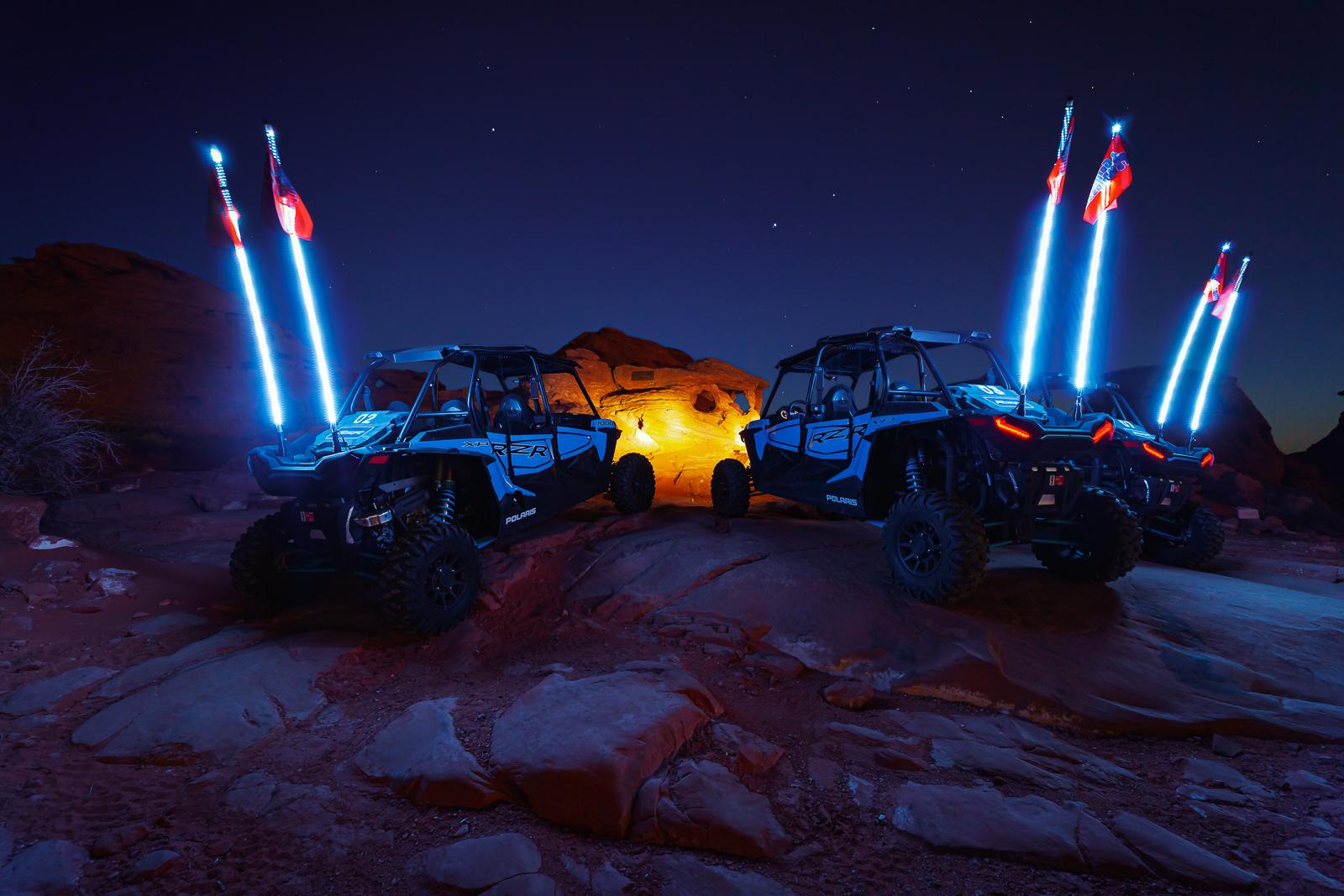
Dark Sky UTV Adventure with Stargazing
|
2 hr | ★ 4.9 | ✓ | — | ✓ | €150 | Book → |
|
Standard Entry
East Zion Stargazing Experience with Hot Chocolate
|
1 hr | ★ 4.2 | ✓ | ✓ | ✓ | €18 | Book → |
|
Standard Entry
Zion Dark Sky Stargazing Experience
|
2 hr | ★ 4.8 | ✓ | ✓ | ✓ | €189 | Book → |
Worth it for astronomy enthusiasts and photographers
Zion National Park stargazing delivers exceptional dark-sky quality that urban dwellers rarely experience, with the park's Bortle Class 2-3 rating revealing the Milky Way's core structure, nebulae, and meteor showers invisible from cities. The 35 USD entrance fee covers seven consecutive days, making the per-visit cost negligible if you're already exploring the canyon during daylight. However, the value equation shifts based on your starting point and equipment. Visitors driving from Las Vegas or Salt Lake City add 2-3 hours each way for the night sky alone, and while naked-eye viewing is stunning, serious astrophotography demands a star tracker, wide-angle lenses, and comfort with long exposures. For families already camping in the park or photographers chasing celestial shots, zion national park stargazing tours justify the trip. Casual tourists prioritizing convenience over cosmic views may find nearby Bryce Canyon's dedicated astronomy programs more structured, though Zion's towering canyon walls create dramatic foreground compositions that rival any Southwest observatory.
Bottom line: If you're already in the park or serious about night sky photography, Zion's darkness justifies the late hours; day-trippers from distant cities should weigh the drive time against structured programs at Bryce or Cedar Breaks.
Bryce Canyon offers superior celestial clarity due to its high elevation, making it the preferred destination for serious observers, while Zion provides a dramatic, intimate backdrop for casual stargazing tours.
|
Top pick Zion National Park |
Bryce Canyon | |
|---|---|---|
| Altitude | 3,700–8,700 ft | 8,000–9,100 ft |
| Sky darkness | High-contrast canyon views | Exceptional deep-space clarity |
| Landscape profile | Vertical sandstone cliffs | Open hoodoo amphitheaters |
| Astronomy programs | Occasional ranger talks | Dedicated night sky festivals |
| Distance from major hubs | ~160 miles from Las Vegas | ~270 miles from Las Vegas |
| See tickets & prices |
Verdict: Visitors seeking dark-sky density should prioritize Bryce Canyon, whereas those desiring a zion national park stargazing tour within deep canyon walls will find the experience uniquely immersive.
Hand-picked experiences loved by thousands of travelers
2 hours
Free Cancellation
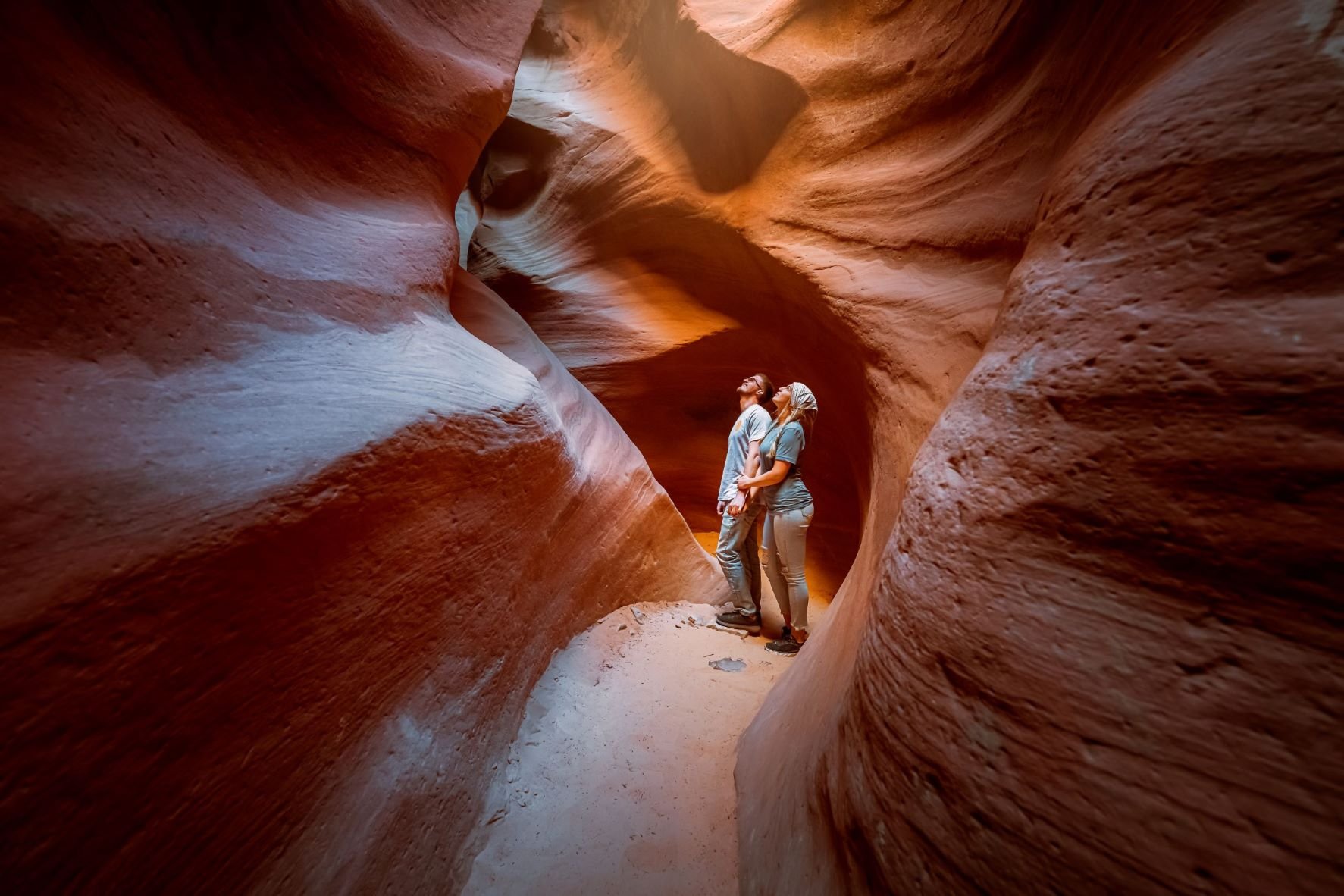
Off-road journey to remote slot canyons with towering red walls and ancient Native American sites.
2 hours
Free Cancellation
Ride off-road through rugged Utah terrain, then hike deep into a towering red rock slot canyon.
2 hours
Free Cancellation
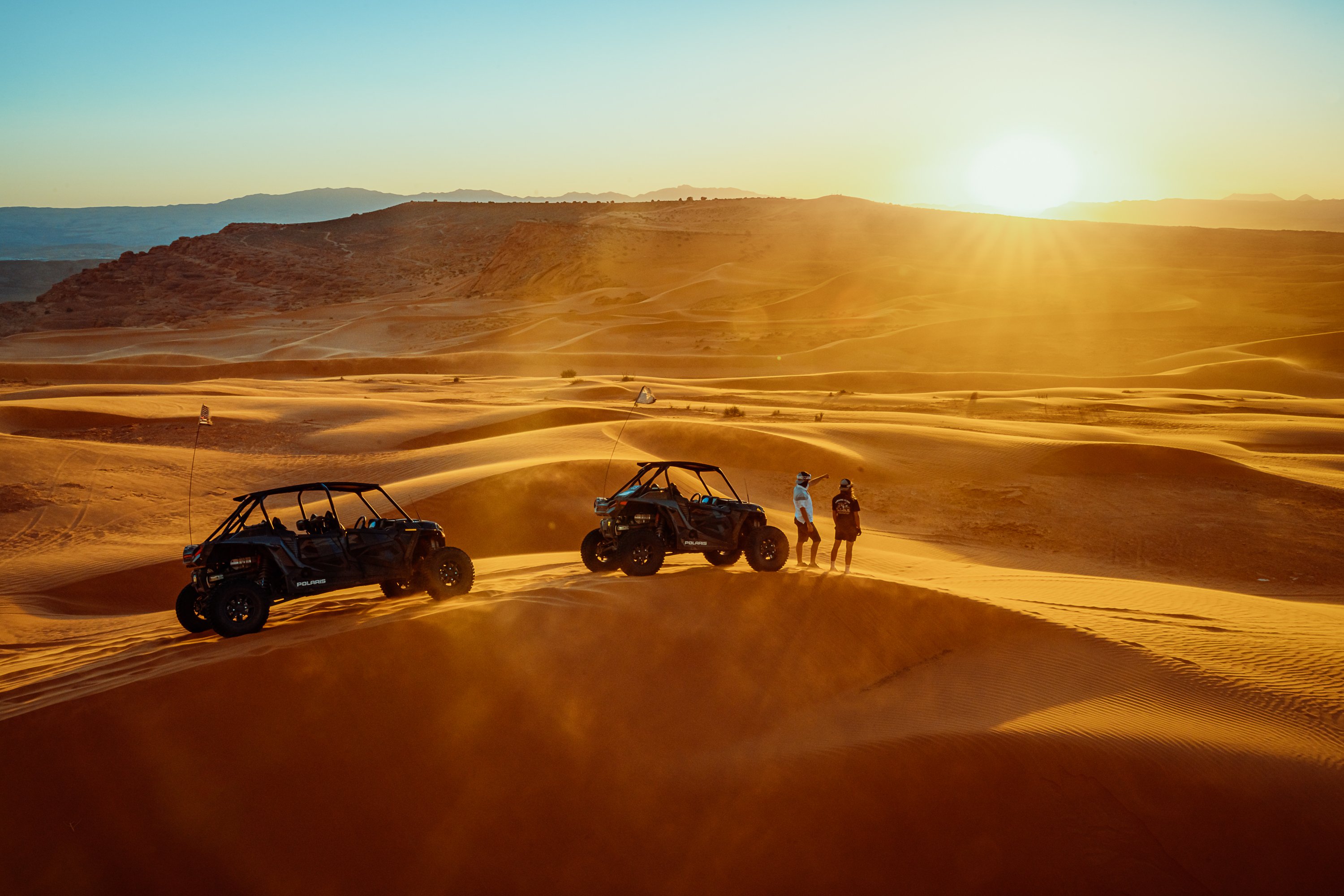
Navigate desert terrain at golden hour and watch the sun paint Southern Utah's red rocks in vivid color
1 hour
Free Cancellation
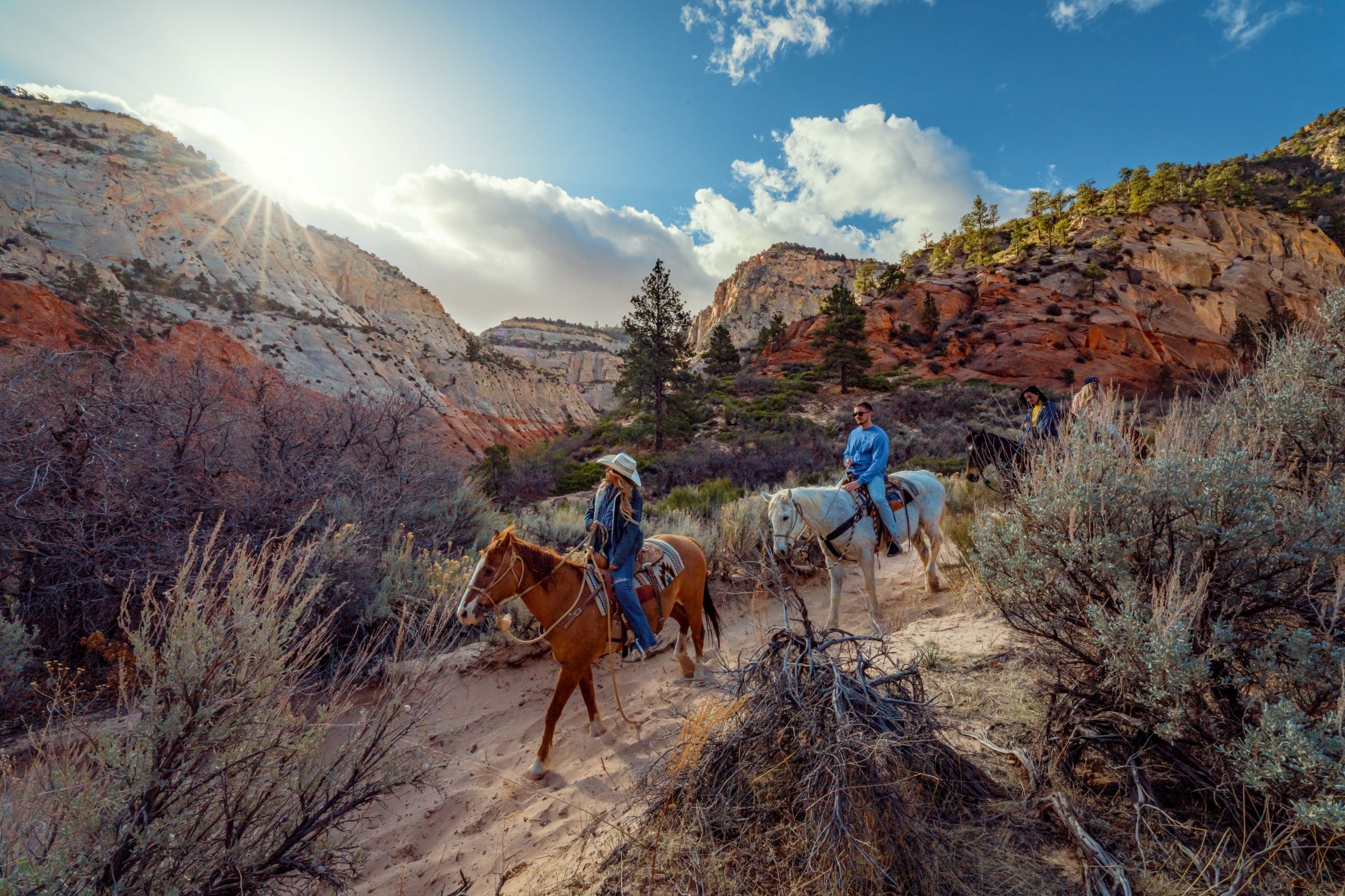
Ride through East Zion's backcountry and explore a towering sandstone slot canyon on horseback
7 hours 30 minutes
Free Cancellation
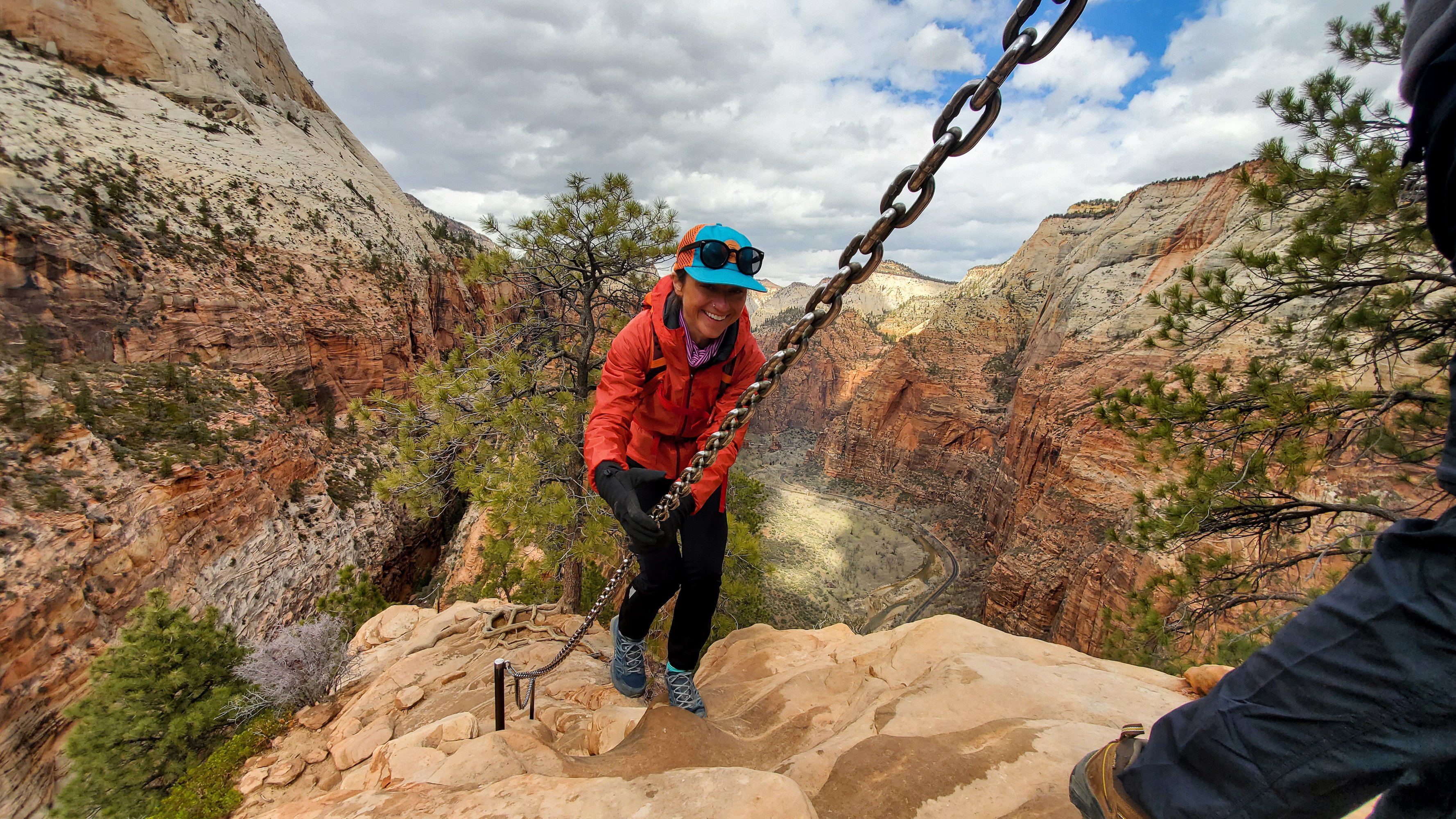
Conquer Zion's iconic ridge trail with a guide, permits handled, and lunch provided
8 hours
Free Cancellation
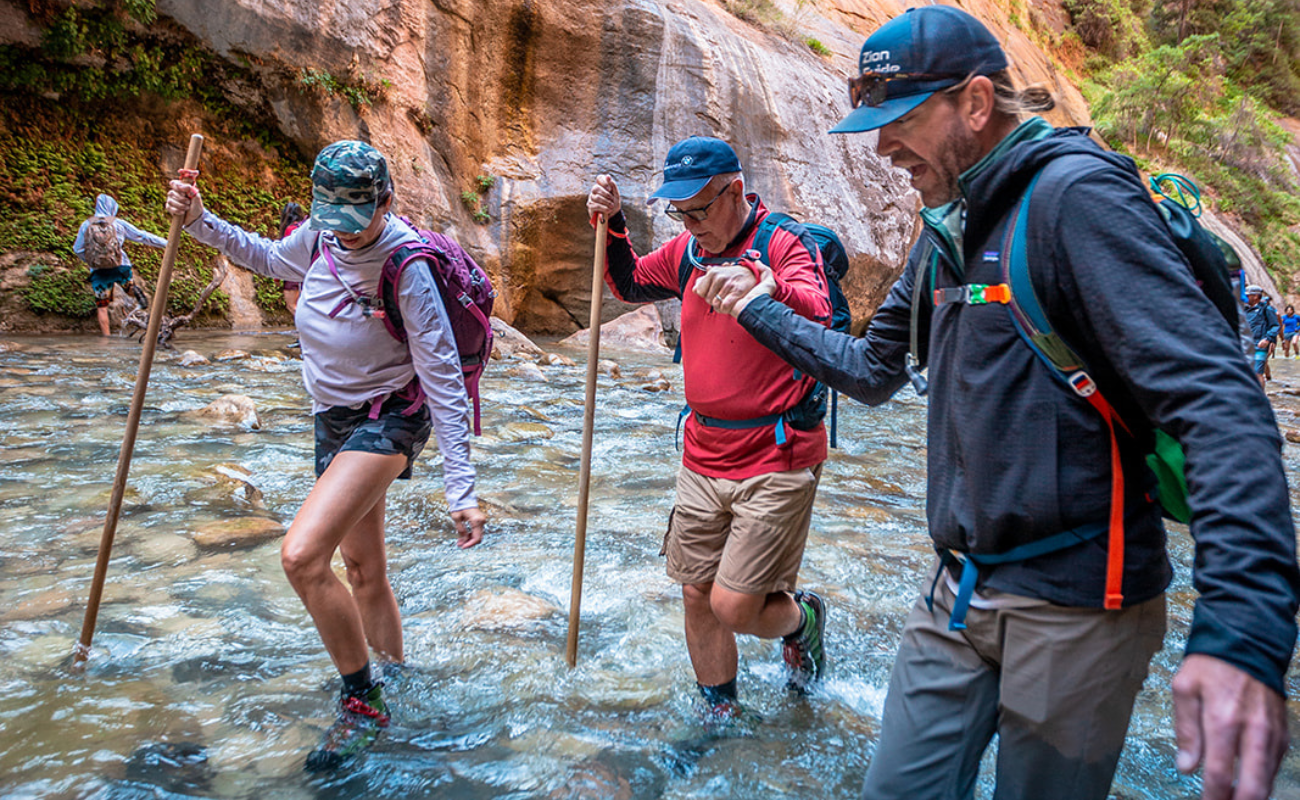
Wade through a legendary slot canyon carved by the Virgin River with expert guides and pro gear
2 hours 30 minutes
Free Cancellation
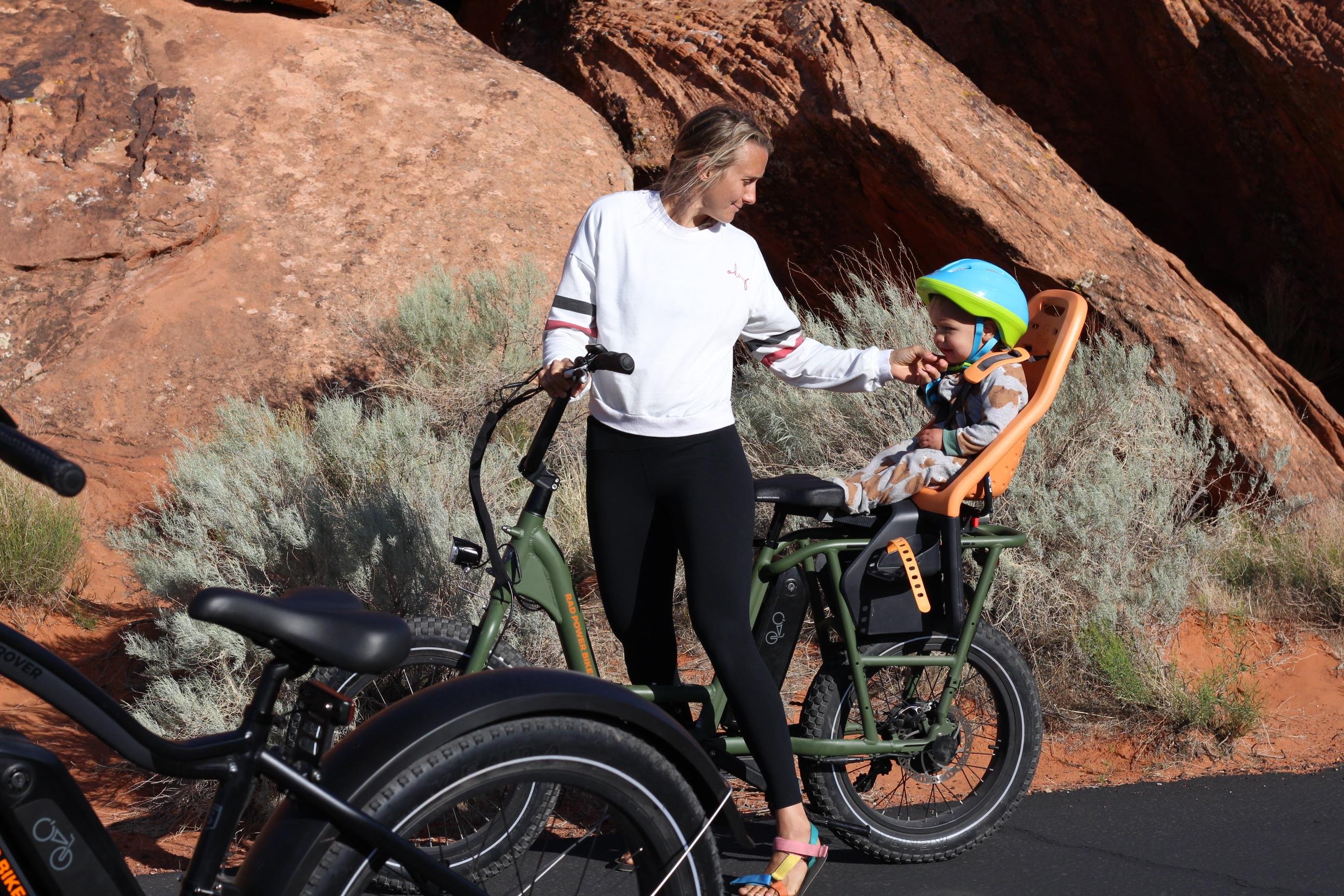
Cruise the scenic canyon road on an electric bike and discover Zion's iconic trails on your own schedule.
13 hours
Free Cancellation
Explore two iconic Utah national parks in a premium Mercedes vehicle with expert guide and lunch included
A flat, accessible paved path that offers an expansive view of the night sky above the canyon walls. It is one of the most popular spots for casual stargazers and night photographers alike.
This iconic Navajo sandstone dome provides a dramatic silhouette against the desert stars on the east side of the park. Its unique cross-bedded rock face creates a striking foreground for night sky compositions.
This designated viewing area is fully ADA accessible and provides a clear, wide-angle perspective of the Watchman peak under the Milky Way. It is a perfect spot for those seeking a convenient location close to the park entrance.
Located in the northwest corner of the park, this section boasts some of the darkest, most unobstructed skies in the region. Visitors often head to the Timber Creek parking lot for a quieter celestial experience.
Situated at a high elevation, this viewpoint offers a cooler, clearer look at constellations due to thinner air and reduced atmospheric interference. It is recommended for visitors seeking the most intense stargazing conditions.
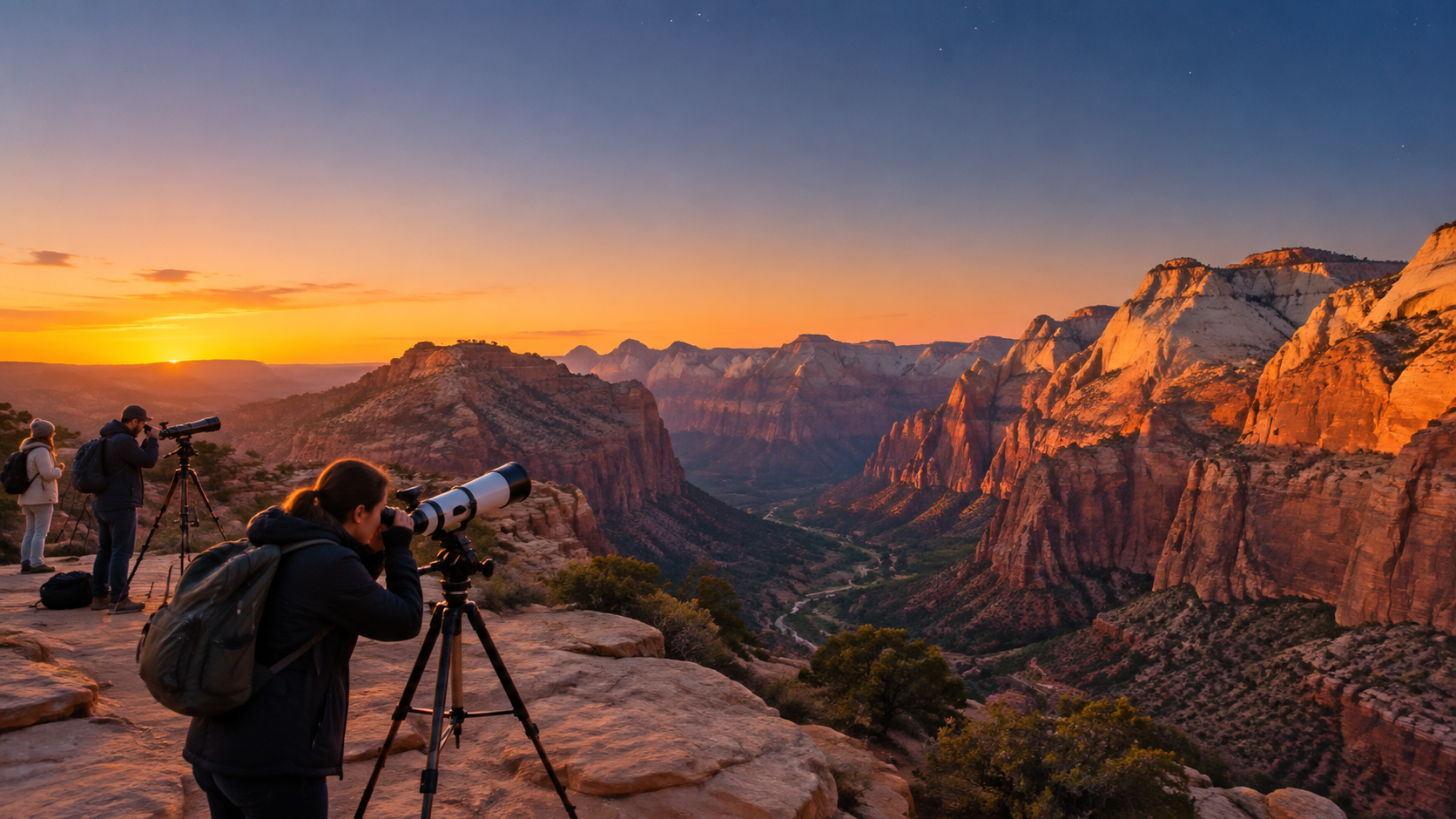
You arrive after sunset, when the canyon's warmth still radiates from the cliffs and the first stars prick through deepening blue. The ranger adjusts the Dobsonian's altitude bearing and steps back; you crouch, press your eye to the eyepiece, and Saturn's rings snap into focus—gold and ivory bands suspended in black.
Families cluster around tripod-mounted binoculars, tracing the Milky Way's dust lanes as they ribbon south toward Sagittarius. Someone points to a satellite crossing Cygnus, a steady spark threading between Deneb and Albireo.
You walk east along the shuttle road, now closed to traffic, and stop where the Watchman's silhouette cuts the southern horizon. The galactic core rises behind it, a glowing arch dense with star clouds and nebulae invisible to city eyes. A red-filtered headlamp blinks on nearby—another photographer setting up a long exposure. The air cools. Crickets pulse in the cottonwoods. You tilt your head back and count meteors: two Perseids in fifteen minutes, each leaving a bright scratch that fades before you can point it out. By midnight, the temperature has dropped twenty degrees, and you pull a fleece from your pack, unwilling to leave before the Andromeda Galaxy clears the eastern ridge.
All the details about your upcoming adventure in one place
Zion National Park stargazing reveals one of the darkest night skies in the American Southwest, certified as an International Dark Sky Park since 2021. Guided zion national park stargazing tours combine telescope observation with interpretation of celestial objects visible above the canyon's towering sandstone walls. The park's elevation, dry climate, and minimal light pollution create optimal conditions for viewing the Milky Way, planets, star clusters, and deep-sky formations year-round.
Zion National Park earned International Dark Sky Park certification in 2021, joining fewer than 200 protected sites worldwide where artificial light is measured and controlled.
The park's elevation ranges from 3,666 feet at Coalpits Wash to 8,726 feet at Horse Ranch Mountain, and that vertical relief traps cooler air in the canyon after sunset, creating stable atmospheric conditions that sharpen celestial resolution. On moonless nights between April and October, the Milky Way's galactic core rises directly above the Watchman's southern face, a 6,545-foot sentinel of Navajo Sandstone that glows faint ochre under starlight.
Zion national park stargazing draws amateur astronomers and astrophotographers to high-elevation overlooks where the Bortle scale readings drop to Class 2 or 3—rural to truly dark sky. The park's geology amplifies the effect: Jurassic-era sandstone walls, some rising 2,000 vertical feet, block lateral light pollution from Springdale and Hurricane while framing narrow corridors of sky. Rangers lead telescope sessions at the Zion Human History Museum plaza, where 8-inch and 12-inch Dobsonian reflectors reveal Saturn's rings, Jupiter's Galilean moons, the Andromeda Galaxy, and globular cluster M13 in Hercules. Programs run spring through fall, timed to new moon phases when the park's natural darkness peaks.
The Colorado Plateau's thin atmosphere and low humidity—annual averages hover near 35 percent—reduce scattering and haze. On clear nights, visitors report naked-eye counts exceeding 7,000 stars, well above the 2,500 typical in suburban zones. Zion national park astronomy programs include constellation tours that trace Ancestral Puebloan sky lore, linking Cassiopeia to harvest cycles and Orion's Belt to seasonal migrations. The park's Dark Sky status requires shielded fixtures and curfews on outdoor lighting, a mandate enforced across its 229 square miles. Springdale's voluntary ordinance extends the buffer, keeping the Virgin River corridor dim after 10 p.m.
Visitors seeking the best stargazing zion national park conditions favor the Kolob Terrace Road corridor, where elevation climbs past 7,000 feet and vehicle traffic halts after dusk. The Lava Point overlook, accessible May through October depending on snowmelt, offers 360-degree horizons and unobstructed views of the northern sky, including Polaris, Ursa Major, and the summer triangle of Vega, Deneb, and Altair. Winter stargazing persists at lower elevations; January and February deliver some of the clearest skies, though temperatures drop below freezing and ice limits trailhead access. The park's 35-dollar entrance fee covers seven consecutive days, and rangers distribute printed star charts at the visitor center, keyed to monthly celestial events—meteor showers, planetary conjunctions, and comet transits—that recur along the park's predictable seasonal arc.
On moonless nights, naked-eye counts exceed 7,000 stars, well above suburban norms.
Dress in warm layers, as temperatures drop significantly after sunset in the desert. Sturdy footwear is recommended for navigating trails in the dark.
No specific bag restrictions apply for night sky viewing, but ensure you carry all supplies as there are no food services available after hours. Security personnel patrol park roads regularly.
Astrophotography is encouraged throughout the park. Use a tripod for long exposures and avoid using bright white flashes that disrupt the experience for other visitors.
The park is family-friendly, but children should remain supervised at all times near cliff edges and roads. Educational astronomy programs are available during the summer months.
The Human History Museum patio offers an ADA-accessible area for zion national park stargazing. Most natural trail areas like the Pa'rus Trail have varying terrain that may not be suitable for all mobility aids.
No food or water is sold within park boundaries after sunset. Visitors must pack all required snacks and hydration for their zion national park stargazing session.
Operating Hours
00:00–23:59 daily
Address
1 Zion Park Blvd, Springdale, UT 84767
Dark Sky Access
ADA accessible at Human History Museum patio
Best arrival window
20:00–23:59
Pack Essentials
Layers, water, snacks, and red-light flashlights
Viewing Areas
Pa'rus Trail, Checkerboard Mesa, Kolob Canyons
Entrance fees are non-refundable as they are standard recreational use passes. The 35 USD fee per private vehicle is valid for 7 consecutive days.
Recommended time
3-4 hours
For those interested in zion national park stargazing, planning your arrival to align with low light pollution is essential for identifying constellations. Visitors should allocate time for eye adjustment after dark, as crowds dissipate significantly once the shuttle services conclude. While many seek zion national park stargazing tours, independent observation requires patience and preparation for cooling temperatures. Efficient movement through the park gates is easier during these late hours, though planning your exit route in advance is wise as zion national park stargazing tickets are not required for entry.
Crowd levels through the day
Position your tripod on the rock ledges near the end of the trail to capture the vast canyon floor beneath a clear sky. This location provides an excellent perspective for zion national park stargazing where the vertical cliffs frame the Milky Way core.
Set up along the Virgin River to frame the iconic Watchman peak as it reflects in the water under celestial light. Many photographers utilize zion national park stargazing tours to find this specific composition when the river flow is calm.
This elevated area offers a remote vantage point away from the main canyon light pollution. It is a preferred spot for those seeking a quiet zion national park stargazing tour experience with unobstructed northern horizon views.
This paved path allows for easy movement to find clear sightlines between the low-lying hills and towering sandstone monoliths. Visitors often book zion national park stargazing tickets to access guided sessions held in this accessible area.
Dining options are concentrated in Springdale, just outside the park entrance, making it convenient to grab a meal before your zion national park stargazing experience. While there are no late-night eateries within the park boundaries, these nearby spots allow for a hearty dinner before the optimal darkness of the night sky arrives.
Known for large portions and a diverse menu, this is a popular choice for visitors preparing for zion national park stargazing tours. Arrive early as wait times can increase during peak autumn evenings.
Located in a renovated historic building, this spot offers Mexican-inspired dishes perfect for a filling pre-excursion meal. It serves as a great base before you utilize your zion national park stargazing tickets.
Offering views of the canyon walls, this pub provides a relaxed atmosphere to enjoy local beers and burgers. It is a practical stop for those planning a zion national park stargazing tour later in the night.
Real experiences from real travelers
We arrived after sunset and the sky transformed completely within an hour. The absence of city lights made every constellation visible, and the red cliffs provided dramatic silhouettes against the star field. Rangers offered telescope viewing of Saturn near the visitor center.
Zion National Park stargazing exceeded all expectations. We hiked to Canyon Overlook Trail just before dark and watched the Milky Way emerge over Watchman peak. Bring warm layers even in summer; temperatures dropped quickly after sundown.
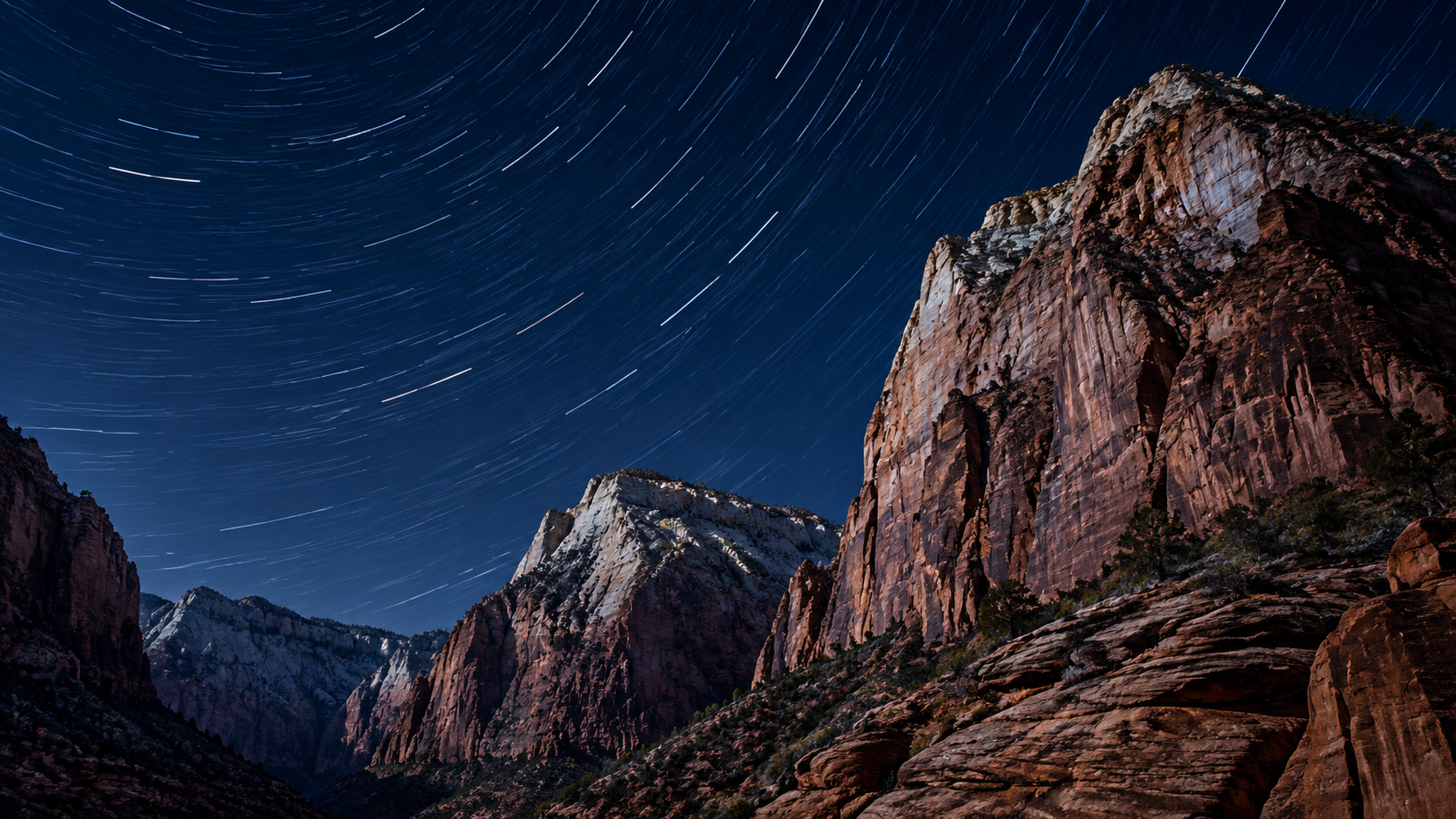
The dark sky designation is well deserved. We saw meteor showers, identified the Andromeda galaxy with binoculars, and captured long exposures of star trails over the sandstone formations. No light pollution whatsoever in the backcountry areas.
Attended a ranger-led program that explained desert night ecology and constellation navigation. The combination of Zion's towering geology and pristine darkness created perfect conditions. Jupiter and its moons were visible through their telescope.
Stayed until midnight near Kolob Terrace Road where elevation and isolation improve visibility further. The northern Milky Way core rose beautifully. Only downside was cool wind; definitely pack windproof gear for extended observation.
We've visited several national parks for night sky viewing and this ranks at the top. The verticality of the canyon walls frames the sky in a way that feels immersive. Saw satellites, planets, and countless deep-sky objects without optical aid.
Drove to a pullout along Zion-Mount Carmel Highway and set up cameras for astrophotography. The absence of moisture in the desert air meant crisp star definition. Rangers maintain several designated dark zones specifically for astronomy.
Zion national park stargazing tours offer guided sessions with high-powered telescopes during new moon phases. We observed nebulae, star clusters, and learned about desert night adaptation. The natural amphitheater of the canyon enhances the experience.
Arrived during astronomical twilight and watched the sky transition from deep blue to black velvet. The sandstone walls held residual warmth while the air cooled rapidly. Venus was bright on the western horizon before full darkness revealed the galactic plane.
The combination of high elevation, dry climate, and protected darkness makes this exceptional for celestial observation. We identified Scorpius, Sagittarius, and the Summer Triangle directly overhead. Park staff provide constellation maps at the visitor center.
Everything you need to know for your journey
Yes, Zion National Park is open 24 hours a day, allowing for stargazing at any time.
The standard entrance fee for a private vehicle is 35 USD, which is valid for 7 consecutive days.
The National Park Service recommends the Pa'rus Trail, Human History Museum patio, and Checkerboard Mesa for stargazing.
Yes, various local operators offer guided zion national park stargazing tours with telescopes.
Pack warm clothing, water, snacks, and a red-light flashlight to preserve your night vision.
No, you do not need specific tickets for zion national park stargazing, only the standard park entrance pass.
Yes, but be cautious of nocturnal wildlife on roads and maintain distance from steep canyon edges.
Restrooms are available at most major viewing locations like the Pa'rus Trail, but not at Checkerboard Mesa.
Yes, the Milky Way core is typically visible from February through October in the park.
Join thousands of happy travelers who have discovered this incredible experience
Book Your Experience Now